
Contents
Overview
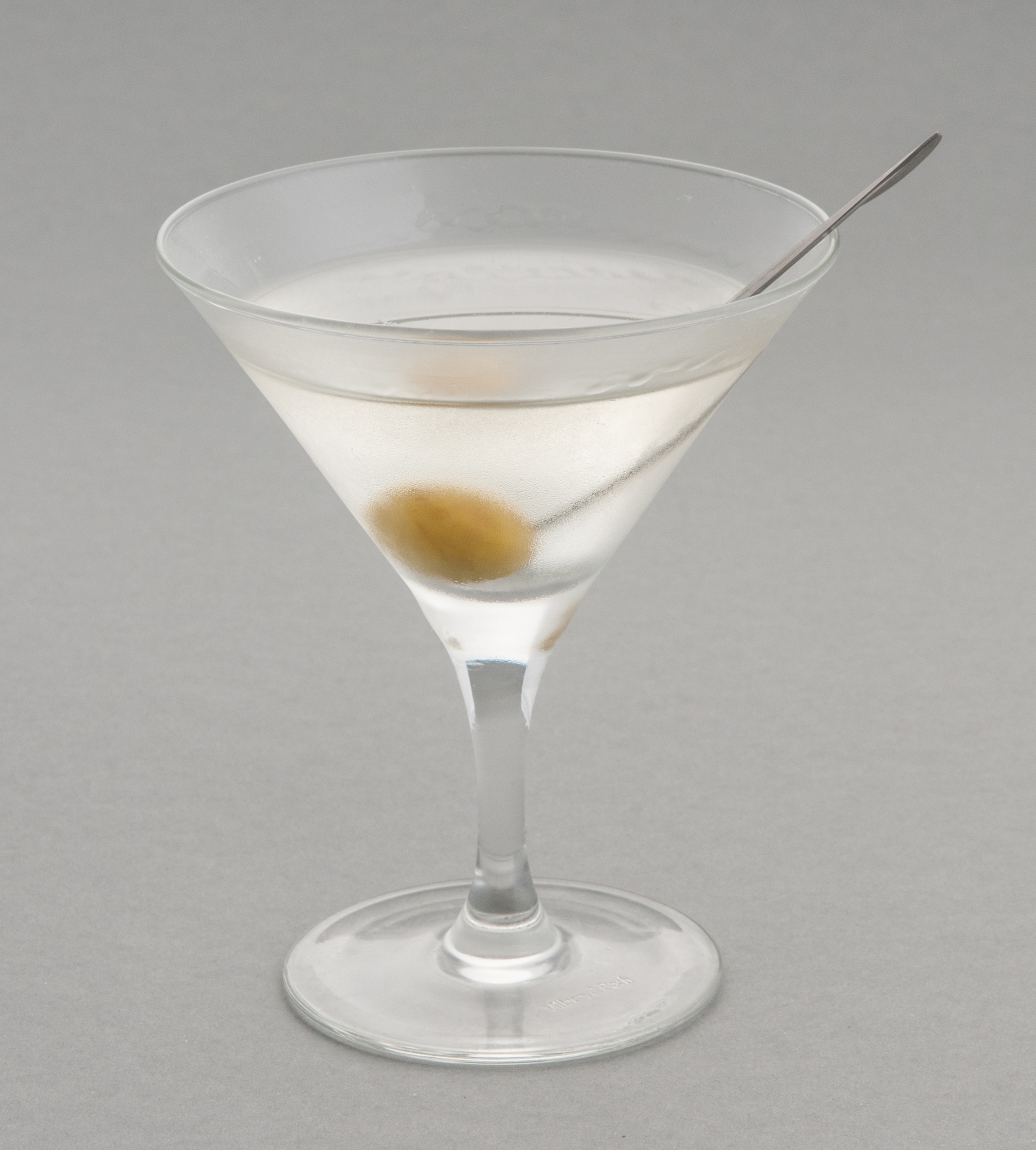
The story of mixology trends is as old as the cocktail itself. Initially, trends were driven by the availability of spirits and the ingenuity of bartenders adapting to new ingredients and techniques. The classic cocktails Martini and Old Fashioned were prominent in the late 19th and early 20th centuries, setting a standard for balanced flavors and elegant presentation. Prohibition spurred innovation in masking harsh spirits. Post-Prohibition, the focus shifted towards simpler, often sweeter, drinks, but the seeds of a revival were sown by pioneers who kept classic techniques alive. The late 20th century witnessed a 'cocktail renaissance,' driven by a renewed interest in fresh ingredients, artisanal spirits, and complex flavor profiles, moving away from artificial mixers and pre-made syrups that had dominated for decades.
⚙️ How It Works
At its heart, mixology is the art and science of blending ingredients to create balanced and appealing drinks. Trends emerge as bartenders and enthusiasts experiment with new flavor combinations, spirits, and presentation styles. This involves understanding the interplay of sweet, sour, bitter, and spirituous elements, as well as the role of dilution and temperature. Modern trends often incorporate techniques borrowed from other culinary fields, such as fermentation, clarification, and the use of foams or infusions. The selection of glassware, garnishes, and even the narrative surrounding a drink are integral to the experience, reflecting a growing emphasis on the holistic presentation of a cocktail. For instance, the rise of low-ABV cocktails involves carefully balancing flavors without relying on high-proof spirits, often utilizing fortified wines or aperitifs.
📊 Key Facts & Numbers
The global cocktail market is a multi-billion dollar industry. The demand for artisanal spirits has seen double-digit growth, with craft distilleries launching hundreds of new products each year. Consumers are increasingly willing to spend more on premium and unique cocktail experiences. The influence of social media platforms like Instagram has also played a role, with visually appealing cocktails often going viral, driving demand for specific ingredients or presentation styles.
👥 Key People & Organizations
The evolution of mixology trends is often spearheaded by influential bartenders, authors, and industry organizations. Jerry Thomas is often called the 'father of American mixology.' More recently, bartenders such as Dale DeGroff (King Cocktail) have been instrumental in the cocktail renaissance, championing fresh ingredients and classic techniques. Organizations like the United States Bartenders' Guild (USBG) and the International Bartenders Association (IBA) play a crucial role in setting standards, organizing competitions, and disseminating knowledge. The rise of influential bar groups like Death & Co. in New York and The Speakeasy Group in Australia has also set new benchmarks for creative cocktail programs and bar design, influencing countless establishments worldwide.
🌍 Cultural Impact & Influence
Mixology trends have a profound cultural impact, shaping social rituals and influencing consumer behavior. The 'cocktail hour' has become a global phenomenon, a time for relaxation and social connection. Trends like the embrace of sustainable practices in bars—reducing waste, using local produce, and minimizing environmental impact—reflect broader societal shifts towards conscious consumption. The popularity of specific cocktails can also become a cultural marker, tied to eras, films, or social movements. For instance, the Mojito gained global traction partly due to its association with Cuban culture and its refreshing profile, while the Negroni has seen a massive resurgence, becoming a symbol of sophisticated, bitter-forward palates. These trends foster a shared language and experience, bridging cultural divides through the universal appeal of a well-made drink.
⚡ Current State & Latest Developments
The current mixology landscape is characterized by several dominant trends. The 'mindful drinking' movement continues to gain momentum, with a surge in demand for high-quality non-alcoholic cocktails and low-ABV options, often featuring sophisticated flavor profiles that mimic traditional spirits. Sustainability is no longer a niche concern but a core tenet for many bars, leading to innovations like using fruit peels for infusions, composting waste, and sourcing ingredients from local farms. Molecular mixology, once a futuristic concept, is becoming more accessible, with techniques like spherification and the use of foams adding new dimensions to texture and presentation. Furthermore, there's a growing appreciation for heritage spirits and rediscovering forgotten recipes, often with a modern twist, as seen in the renewed interest in Sherry and Vermouth-based drinks. The rise of at-home mixology, amplified by online tutorials and readily available ingredients, also continues to shape how people engage with cocktails.
🤔 Controversies & Debates
One of the most significant debates in modern mixology revolves around the definition and quality of non-alcoholic and low-ABV options. While many embrace these as inclusive trends, some traditionalists argue that they can never truly replicate the complexity of full-proof spirits, leading to a 'compromise' rather than a true alternative. Another point of contention is the increasing complexity and cost associated with some avant-garde techniques; critics question whether elaborate presentations and obscure ingredients justify the price point for the average consumer. The role of sustainability also sparks debate, with discussions on whether certain 'eco-friendly' practices are genuinely impactful or merely performative marketing. Furthermore, the influence of social media on cocktail trends is a double-edged sword: while it democratizes access to information and inspires creativity, it can also lead to fleeting fads and a focus on aesthetics over substance, potentially overshadowing the craft of balanced flavor.
🔮 Future Outlook & Predictions
The future of mixology trends points towards even greater personalization and experiential focus. Expect a continued rise in hyper-customized drinks, where bartenders use detailed customer profiles and preferences to craft bespoke cocktails. The integration of technology, such as AI-powered recommendation engines for drink pairings or augmented reality experiences that enhance the story behind a cocktail, is likely to become more prevalent. Sustainability will likely evolve beyond waste reduction to encompass ethical sourcing, water conservation, and even carbon-neutral bar operations. We may also see a further blurring of lines between the bar and the kitchen, with chefs and bartenders collaborating more closely on ingredient development and flavor profiles. The exploration of novel ingredients, perhaps even cultivated or lab-grown components, could also become a significant trend, pushing the boundaries of what's possible in a glass. Ultimately, the focus will remain on creating meaningful connections and memorable moments through the shared ritual of enjoying a drink.
💡 Practical Applications
Mixology trends have direct practical applications in various settings, from high-end cocktail bars to home kitchens. For professional bartenders, understanding current trends allows them to curate relevant menus, attract and retain customers, and stay competitive. This includes mastering new techniques like clarification or incorporating trending ingredients like yuzu or [[butterfly-pea-flower|butterfly pea
Key Facts
- Category
- cocktails
- Type
- topic