
Contents
Overview
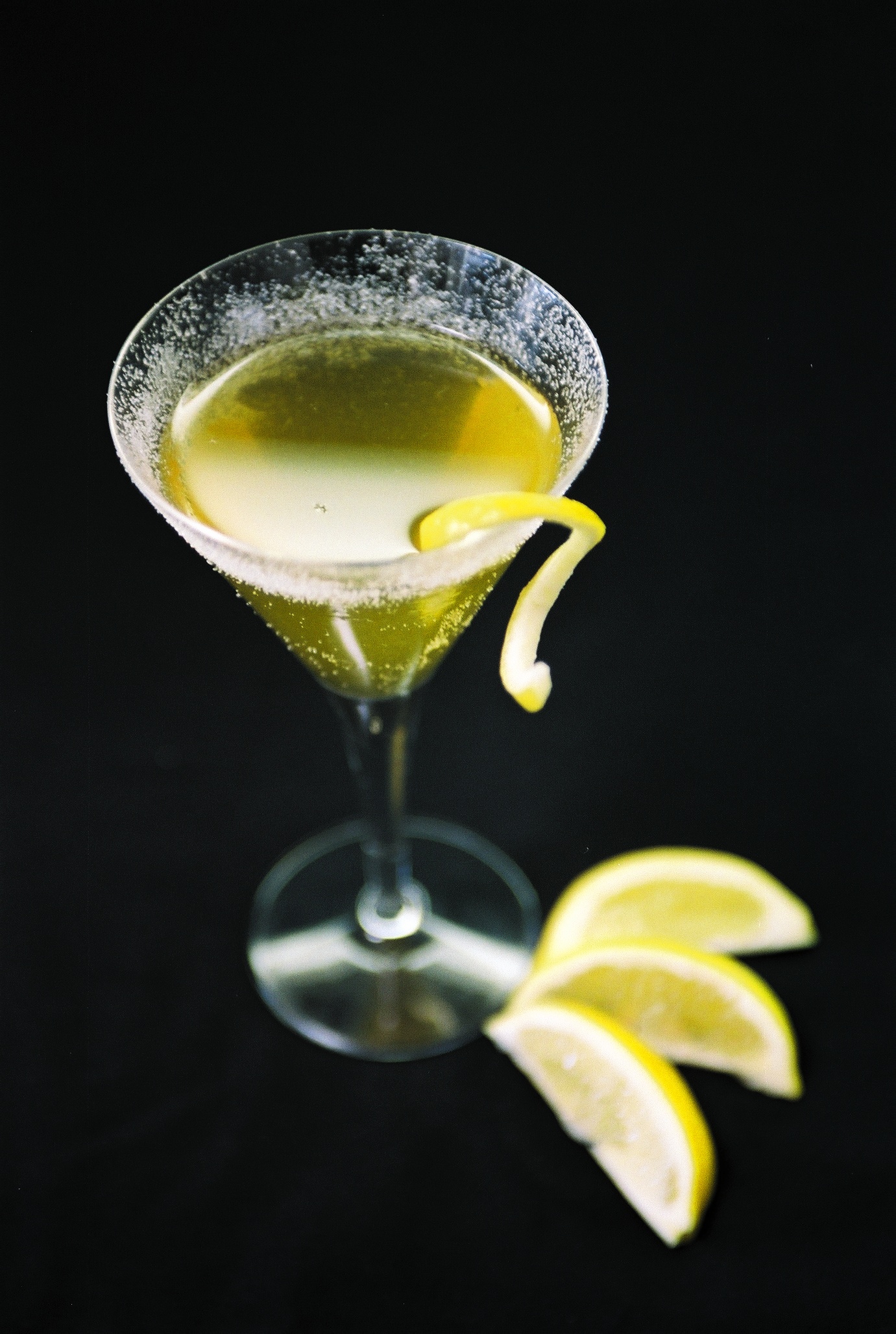
The art of presenting drinks has evolved dramatically, moving beyond simple tumblers and basic garnishes. Early taverns likely focused on functionality, but as drinking establishments became more sophisticated, so did their presentation. The late 19th and early 20th centuries saw bartenders experimenting with more elaborate techniques. The classic Martini glass, specifically designed to showcase the clarity and color of gin or vodka cocktails, or the use of absinthe spoons and sugar cubes for a ritualistic preparation. The mid-20th century tiki culture introduced a whole new level of theatricality with elaborate tiki mugs, exotic garnishes like pineapple leaves and maraschino cherries, and even flaming elements, turning each drink into a miniature tropical escape. This era cemented the idea that presentation was integral to the drink's identity.
⚙️ How It Works
Effective drink presentation hinges on a multi-sensory approach. It begins with the vessel itself – its shape, size, and material can dramatically alter perception. For instance, a coupe offers an elegant, vintage feel for bubbly drinks, while a rocks glass suggests a more robust, spirit-forward experience. Garnishes are crucial, moving beyond a simple lime wedge to include dehydrated citrus wheels, edible flowers, herb sprigs, flavored foams, or even custom-made ice. The use of smoke, infused vapors, or interactive elements like edible glitter or 'smoke bubbles' adds an element of surprise and engagement. Color plays a significant role, whether through natural ingredients like butterfly pea flower for color-changing effects or vibrant liqueurs. The overall composition should tell a story, aligning with the drink's name, ingredients, and the intended atmosphere, whether it's a cozy speakeasy or a vibrant nightclub.
📊 Key Facts & Numbers
Key figures in modern mixology have championed innovative presentation. David Arnold explores scientific techniques that enhance both flavor and visual appeal, such as creating clear ice spheres and using liquid nitrogen for dramatic effects. The rise of competitive bartending pushes the boundaries of presentation, with contestants vying for originality and visual impact.
👥 Key People & Organizations
Key figures in modern mixology have championed innovative presentation. David Arnold explores scientific techniques that enhance both flavor and visual appeal, such as creating clear ice spheres and using liquid nitrogen for dramatic effects. The rise of competitive bartending pushes the boundaries of presentation, with contestants vying for originality and visual impact.
🌍 Cultural Impact & Influence
Creative drink presentation has profoundly influenced global bar culture and home entertaining. It has elevated the humble cocktail into an art form, making it a focal point of social gatherings and a key differentiator for bars and restaurants. The 'Instagrammable' cocktail phenomenon has pushed bartenders worldwide to develop visually striking creations. This trend has also trickled down to home enthusiasts, who increasingly seek out unique garnishes and glassware to impress friends. A beautiful presentation can make a drink taste better to the consumer. This focus on aesthetics has also spurred innovation in related industries, such as glassware design and the production of specialized cocktail ingredients and tools.
⚡ Current State & Latest Developments
The current landscape of drink presentation is characterized by a blend of hyper-creativity and a return to elegant simplicity. We're seeing a surge in interactive elements, such as cocktails served with personalized scent diffusers or edible 'menus' that dissolve into the drink. Sustainability is also a growing concern, leading to presentations that utilize zero-waste garnishes, reusable elements, or ingredients sourced hyper-locally. For instance, bars are experimenting with using vegetable scraps for dehydrated garnishes or incorporating foraged botanicals. The use of augmented reality (AR) to overlay digital visuals onto physical drinks is an emerging frontier, promising to blend the physical and digital realms in new ways. Many bars are also focusing on narrative-driven presentations, where each element of the drink's appearance tells a part of its story.
🤔 Controversies & Debates
One ongoing debate revolves around the balance between presentation and practicality. Critics argue that overly elaborate presentations can sometimes detract from the drinking experience, leading to excessive waste or making the drink difficult to consume. The 'Instagrammability' factor is also questioned by purists who believe the focus should remain on the quality of the liquid and the skill of the mixologist, not just the visual spectacle. There's also a discussion about accessibility and cost; while elaborate presentations can justify higher prices, they can also alienate customers seeking simpler, more affordable options. Furthermore, the use of certain techniques, like dry ice for fog effects, raises safety concerns if not handled properly, leading to guidelines and restrictions in some jurisdictions. The question remains: how much theatricality is too much before it becomes a gimmick?
🔮 Future Outlook & Predictions
The future of drink presentation is likely to be even more immersive and personalized. Expect to see greater integration of technology, with AR experiences becoming more common, perhaps even allowing drinkers to 'unlock' a drink's story or flavor profile through their phones. Biodegradable and edible materials will continue to gain traction as sustainability becomes paramount. We might also see a rise in 'sensory cocktails' that engage multiple senses beyond sight and taste, incorporating sound or tactile elements. Personalization will be key, with AI potentially suggesting presentation styles based on a user's preferences or the social context of their drink. The line between a drink and a performance piece will continue to blur, pushing the boundaries of what we consider a 'beverage experience.'
💡 Practical Applications
Creative drink presentation has myriad practical applications across the hospitality industry and beyond. In bars and restaurants, it's a primary tool for brand differentiation, customer engagement, and justifying premium pricing. For event planners, unique presentations can set the tone for parties and corporate functions. Home entertainers can use these ideas to elevate their gatherings, turning a simple get-together into a memorable occasion. Even in non-alcoholic beverage sectors, such as mocktails or specialty coffees, presentation plays a crucial role in perceived value and appeal. For example, a beautifully crafted mocktail served in elegant glassware with a fresh fruit garnish can be just as enticing as its alcoholic counterpart, demonstrating the universal power of visual appeal in beverages.
Key Facts
- Category
- cocktails
- Type
- topic