
Contents
Overview
The genesis of cocktail recipes is as murky and debated as the drinks themselves, with origins often traced back to the late 18th and early 19th centuries. Early forms might have included punches and slings. A cocktail was described in the Balance and Columbian Repository as a stimulating liquor composed of spirits of any kind, sugar, water, and bitters. The Prohibition era in the United States (1920-1933) paradoxically fueled cocktail innovation, as speakeasies sought to mask the harsh taste of illicitly produced spirits with fruits and syrups, leading to beloved recipes like the Sidecar. Post-war, the rise of accessible spirits and global travel further diversified cocktail recipes, with iconic drinks like the Mai Tai emerging from mid-century tiki culture, and the Bloody Mary becoming a brunch staple.
⚙️ How It Works
At its core, a cocktail recipe is a precise formula designed to balance flavors, textures, and aromas. It typically involves a base spirit (like gin, vodka, rum, or whiskey), a modifier (sweet or dry liqueurs, vermouth), and often a flavoring agent (fruit juices, syrups, bitters, herbs). The method of preparation—shaking, stirring, building, or blending—is crucial, affecting the drink's dilution, aeration, and temperature. For instance, spirit-forward drinks like the Old Fashioned are stirred to achieve a silky texture, while citrus-heavy drinks such as the Daiquiri are shaken to incorporate air and chill rapidly. Garnishes, from a simple lemon twist to an elaborate fruit skewer, also play a role in the sensory experience, enhancing aroma and visual appeal.
📊 Key Facts & Numbers
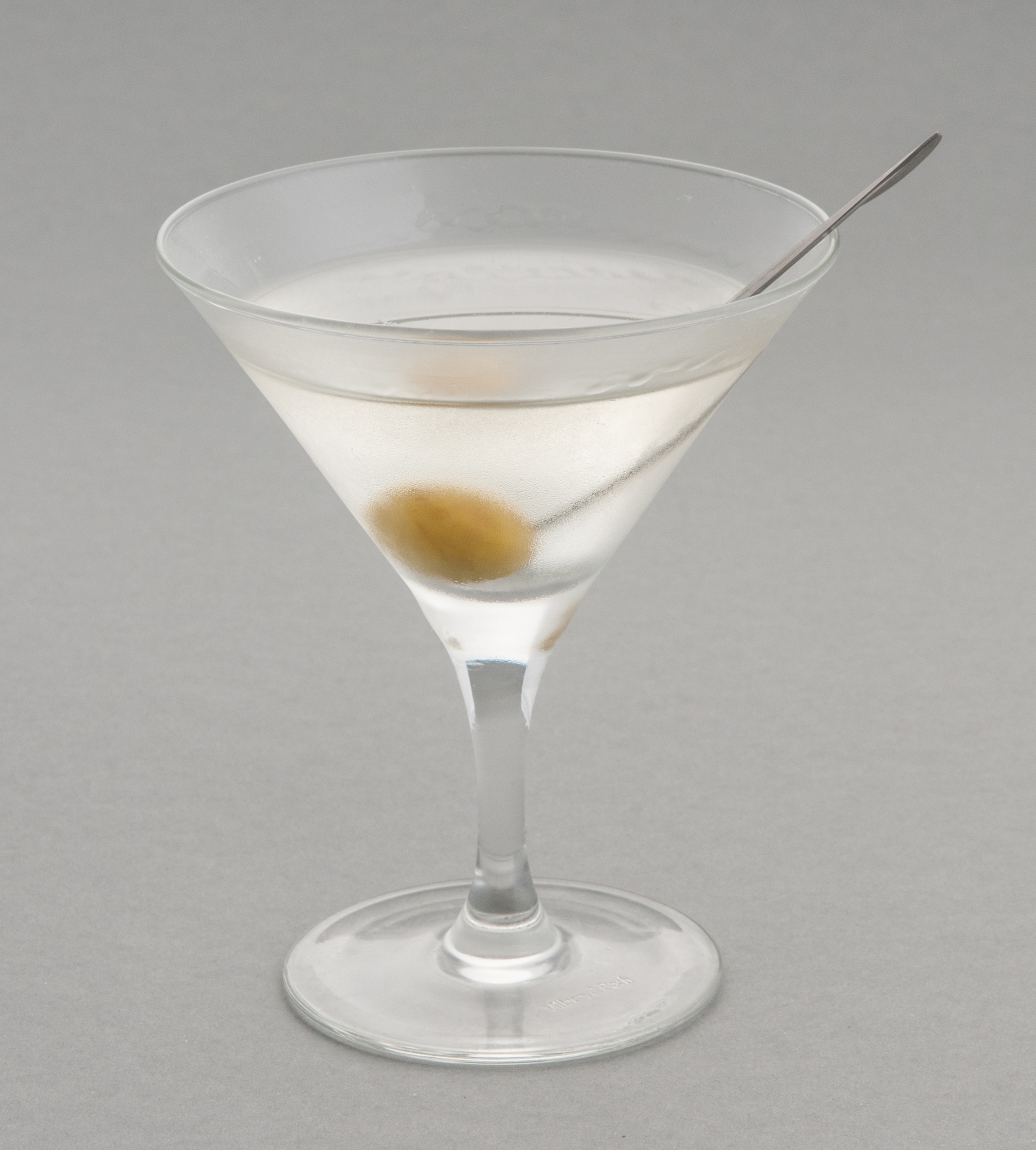
The Martini, Margarita, Old Fashioned, and Negroni are consistently among the top 10 most popular cocktails. The digital realm sees searches for cocktail recipes, with platforms like YouTube and Pinterest hosting vast libraries of video and image-based tutorials.
👥 Key People & Organizations
The world of cocktail recipes has been shaped by countless influential figures. Jerry Thomas is often hailed as the 'father of American mixology.' Later, figures like Harry Craddock of the Savoy Hotel in London codified classics. Contemporary mixologists such as David Wondrich have dedicated their careers to researching and reviving historical cocktail recipes, while innovators like Dale DeGroff (King Cocktail) have championed fresh ingredients and classic techniques. Organizations like the United States Bartenders' Guild (USBG) and the International Bartenders Association (IBA) play crucial roles in setting standards and promoting professional development through recipe competitions and educational programs.
🌍 Cultural Impact & Influence
Cocktail recipes are deeply interwoven with global culture, acting as edible and drinkable artifacts of history and social trends. They serve as a bridge between cultures, with many drinks adapted and reinterpreted as they travel. The Mojito, originating in Cuba, is now enjoyed worldwide, often with regional variations. Cocktail recipes also influence fashion, film, and literature, with iconic drinks frequently appearing in popular media, from James Bond's preference for a shaken Vodka Martini to the literary mentions of Manhattans in classic novels. The rise of home bartending, accelerated by platforms like YouTube and TikTok, has democratized cocktail creation, turning everyday individuals into enthusiastic mixologists and fostering a global community around shared recipes and techniques.
⚡ Current State & Latest Developments
The current landscape of cocktail recipes is dynamic, marked by a strong emphasis on sustainability, low-ABV options, and hyper-local ingredients. Bartenders are increasingly experimenting with zero-waste techniques, using fruit peels for infusions or dehydrating garnishes. There's a growing interest in rediscovering forgotten historical recipes and adapting them for modern palates, moving beyond the most common classics. The rise of non-alcoholic (or 'mocktail') recipes is also significant, offering complex and sophisticated flavor profiles for those abstaining from alcohol. Digital platforms continue to be a primary source for recipe discovery, with interactive apps and AI-powered recommendation engines beginning to emerge, personalizing the search for the perfect drink.
🤔 Controversies & Debates
One persistent debate in cocktail recipes revolves around authenticity versus innovation. Purists argue for strict adherence to historical recipes, believing that any deviation dilutes the drink's integrity and original intent. For example, the precise ratio of ingredients in a Negroni is a frequent point of contention. Conversely, modern mixologists champion creativity, using novel ingredients and techniques to push boundaries and appeal to evolving tastes. This tension is evident in discussions about whether a modern interpretation of a classic, like a flavored Martini, is a valid evolution or a disrespectful alteration. Another controversy lies in the ethical sourcing of ingredients and the environmental impact of cocktail production, prompting discussions about sustainable practices in bars worldwide.
🔮 Future Outlook & Predictions
The future of cocktail recipes points towards even greater personalization and technological integration. Expect AI-driven recipe generators that can suggest drinks based on available ingredients, dietary preferences, or even mood. The trend towards low-ABV and non-alcoholic options will likely continue to expand, with a focus on creating complex, spirit-like alternatives. Sustainability will become even more paramount, with recipes designed around seasonal availability and minimal waste becoming the norm. We might also see a resurgence of regional cocktail traditions as global travel and cultural exchange continue to inspire new interpretations and the revival of forgotten gems, further enriching the global repertoire of drink recipes.
💡 Practical Applications
The practical applications of cocktail recipes extend far beyond the bar. Home entertainers use them to host memorable parties, creating signature drinks that reflect their personal style. Restaurants and bars rely on well-crafted recipes to define their brand identity and attract customers, with many establishments building their reputation on a unique cocktail menu. Furthermore, cocktail recipes serve as educational tools, teaching principles of flavor balancing, ingredient sourcing, and presentation skills. They are also used in culinary arts for flavor pairings, and even in therapeutic settings, where the ritual of preparing and enjoying a drink can be part of a wellness routine, fostering connection and mindful enjoyment.
Key Facts
- Category
- cocktails
- Type
- topic