
Contents
Overview
Brewing beer is a time-honored craft that transforms simple ingredients—water, malted grains, hops, and yeast—into a diverse spectrum of beverages enjoyed worldwide. This intricate process, dating back millennia, involves several key stages: malting, mashing, boiling, fermenting, and conditioning. Each step offers brewers opportunities to influence the final beer's character, from its color and aroma to its body and taste. Whether practiced by large-scale commercial breweries or passionate homebrewers, the pursuit of the perfect pint is a blend of science, art, and a deep appreciation for the stories that unfold over a shared drink.
🎵 Origins & History
The story of brewing is as old as civilization itself. Early brewers, likely women in ancient Sumerian societies, discovered that fermented grain mixtures produced a nutritious and mildly intoxicating beverage. The ancient Egyptians elevated brewing, even incorporating beer into religious rituals and using it as payment for laborers building the pyramids. Across the globe, indigenous cultures developed their own unique brewing traditions, from the 'chhaang' in Tibet to 'pulque' in Mexico, demonstrating a universal human impulse to transform grains into drink.
⚙️ The Brewing Process Unpacked
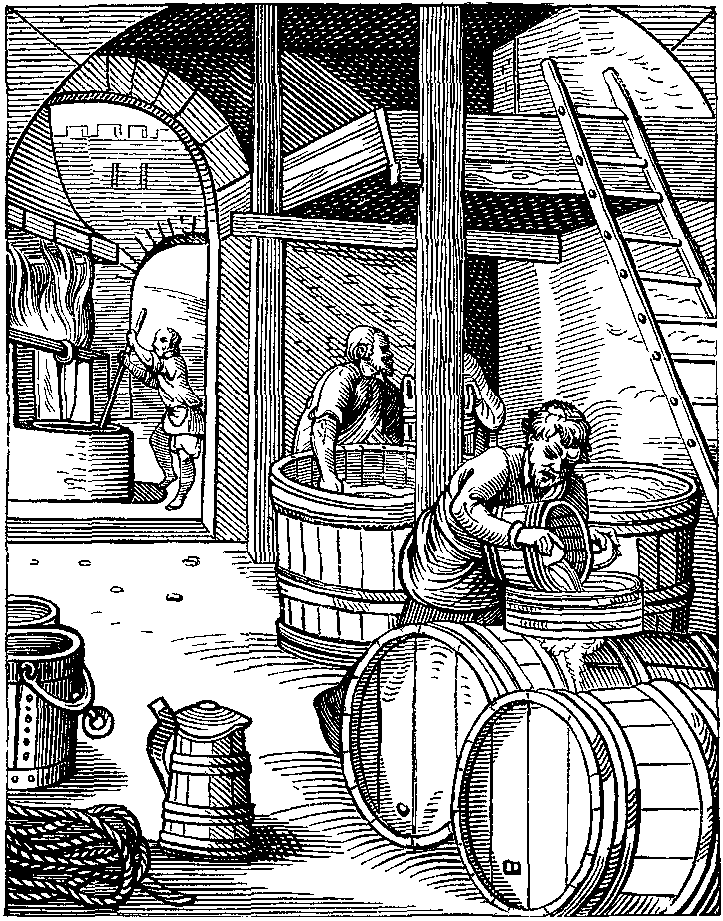
At its heart, brewing beer is a multi-stage process. It begins with malting, where grains, typically barley, are germinated and then dried to develop enzymes and sugars. Next, mashing involves steeping the malted grains in hot water to convert starches into fermentable sugars, creating a sweet liquid called wort. This wort is then boiled, usually with hops, which impart bitterness, flavor, and aroma, while also acting as a preservative. After cooling, fermentation begins as brewer's yeast consumes the sugars, producing alcohol and carbon dioxide. Finally, the beer is conditioned—aged and clarified—before packaging. Each step, from the water chemistry to the yeast strain, offers a canvas for brewers to express their creativity, influencing everything from the crispness of a Pilsner to the richness of a Stout.
📊 Key Facts & Numbers
The global beer market is a colossal entity. The United States alone boasts over 9,000 breweries. Globally, China is the largest beer-consuming nation. The average American consumes about 28 gallons of beer per year. Craft beer, though representing only about 13% of the U.S. market volume, accounts for a much larger share of revenue, highlighting consumer willingness to pay a premium for unique and quality brews. The number of beer styles recognized by organizations like the Beer Judge Certification Program continues to grow, with hundreds of distinct categories cataloged.
👥 The Brewers Guild
The world of brewing is populated by passionate individuals and organizations dedicated to the craft. Homebrewing communities, often found on platforms like Reddit forums, foster a collaborative spirit where enthusiasts share recipes and techniques. The ongoing dialogue between these brewers, scientists, and enthusiasts shapes the industry's trajectory.
🌍 Cultural Impact & Influence
Beer's influence extends far beyond the glass, weaving itself into the fabric of global culture. It has inspired countless works of art, literature, and music, often symbolizing conviviality, celebration, and community. From ancient festivals honoring deities of grain and fermentation to modern-day beer festivals attracting hundreds of thousands, beer has consistently been at the center of social gatherings. The rise of craft beer has further amplified this, fostering local economies and creating vibrant community hubs around breweries. Beer pairings with food, a concept championed by chefs and brewers alike, have elevated beer's status, placing it alongside wine as a sophisticated culinary accompaniment. The diverse styles, from the delicate Witbier to the robust Imperial Stout, reflect and contribute to cultural identities worldwide.
⚡ Modern Brewing Trends
The contemporary brewing scene is dynamic and innovative. We're seeing a surge in interest in historical styles, like Gose and Saison, alongside the continued dominance of hop-forward ales such as IPAs and Hazy IPAs. Brewers are experimenting with novel ingredients, including fruits, spices, and even non-traditional grains like kalamansi and yuzu. The rise of non-alcoholic beers is also a significant trend, offering flavorful alternatives for a growing health-conscious market. Furthermore, advancements in brewing technology, such as automated brewing systems and sophisticated sensory analysis tools, are enabling greater precision and consistency, even for small-scale operations. The focus on sustainability, from water usage to packaging, is also becoming a critical consideration for breweries globally.
🤔 Debates in the Brewhouse
The brewing world is not without its debates. One persistent discussion revolves around the definition of 'craft beer,' with organizations like the Brewers Association setting criteria that sometimes exclude larger, yet still independent, breweries. The role of adjuncts—like rice or corn—in traditional styles is another point of contention; some purists argue against their use, while others see them as legitimate tools for achieving specific flavor profiles or historical accuracy. The ongoing evolution of hop varieties and their impact on beer flavor also sparks discussion, with some lamenting the perceived homogenization of hop-forward beers, while others celebrate the innovation. Even the optimal serving temperature for certain styles can ignite passionate arguments among enthusiasts.
🔮 The Future of Beer
The future of beer brewing looks incredibly diverse and experimental. We can anticipate further exploration into ancient and forgotten styles, perhaps unearthed through historical research and adapted with modern techniques. The demand for low- and no-alcohol options will likely continue to grow, pushing innovation in flavor development without fermentation. Expect to see more breweries embracing circular economy principles, utilizing spent grains for food products or other sustainable initiatives. Furthermore, as global palates become more adventurous, brewers may draw inspiration from an even wider array of international ingredients and fermentation techniques, leading to truly unique and boundary-pushing creations. The integration of AI in recipe formulation and process optimization is also a potential frontier.
💡 Brewing at Home
For many, the journey into brewing begins at home. Homebrewing offers a hands-on way to connect with the craft, allowing enthusiasts to experiment with recipes and ingredients. Basic kits typically include a fermenter, bottling equipment, and ingredients for a starter batch, often focusing on extract brewing for simplicity. As brewers gain experience, they often transition to 'all-grain' brewing, which mimics the process used by professional breweries, offering greater control over the final product. Online communities and resources, such as American Homebrewers Association publications and countless YouTube channels, provide invaluable guidance for aspiring brewers. It's a rewarding hobby that fosters creativity, patience, and a deep appreciation for the beer we enjoy.
📚 Further Exploration
To truly appreciate the nuances of brewing, exploring related topics offers a richer understanding. Delving into the history of hops reveals their journey from ancient medicinal uses to their pivotal role in modern beer flavor. Understanding yeast strains and their impact on fermentation is crucial for appreciating the diversity of beer styles. Exploring the concept of water chemistry highlights how mineral content can dramatically alter a beer's taste. For those interested in the sensory aspects, learning about beer tasting and aroma profiles can unlock a new level of appreciation. Finally, understanding the business side through brewery management offers insight into the industry's economic landscape.
Key Facts
- Category
- beers
- Type
- concept